How Many Tbsp in 1/4 Cup: A Complete Cooking Measurement Guide
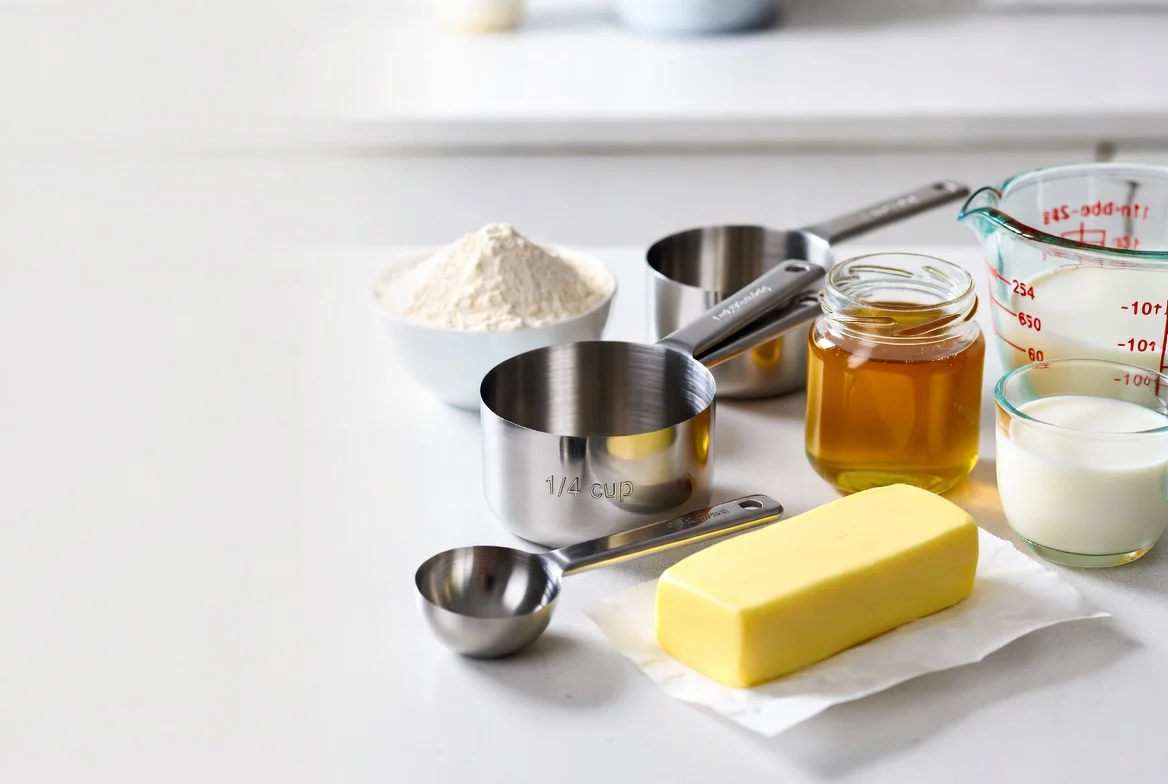
Introduction
Converting measurements while cooking shouldn’t slow you down. Whether you’re adjusting a recipe or following instructions precisely, knowing that 1/4 cup equals 4 tablespoons saves time and prevents cooking mistakes. This guide walks you through common measurement conversions, practical applications, and helpful tools you can use every time you step into the kitchen.
How Many Tbsp in 1/4 Cup Exactly?
The straightforward answer: 1/4 cup contains exactly 4 tablespoons (tbsp).
This conversion is one of the most frequently used measurements in American cooking. Understanding this relationship helps you scale recipes up or down without reaching for a calculator. The measurement works because the United States customary system divides cups into predictable portions: 1 cup = 16 tablespoons, so 1/4 cup = 4 tablespoons.
The Standard Measurement Breakdown
Understanding the full picture of cup-to-tablespoon conversions helps you navigate recipes with confidence.
Complete Cup Conversion Chart:
| Cup Measurement | Tablespoons | Teaspoons |
|---|---|---|
| 1/4 cup | 4 tbsp | 12 tsp |
| 1/3 cup | 5 tbsp + 1 tsp | 16 tsp |
| 1/2 cup | 8 tbsp | 24 tsp |
| 2/3 cup | 10 tbsp + 2 tsp | 32 tsp |
| 3/4 cup | 12 tbsp | 36 tsp |
| 1 cup | 16 tbsp | 48 tsp |
This chart becomes your kitchen reference. Printing it out or saving it on your phone eliminates guesswork during meal preparation.
Why These Measurements Matter in Cooking
Accurate measurements directly affect your cooking and baking results. Unlike cooking, where slight variations often work fine, baking requires precision because chemistry is involved.
Baking vs. Cooking Accuracy:
When you’re baking bread, cookies, or cakes, the ratio of flour to liquid to leavening agents must be exact. A tablespoon too much flour creates dense, dry results. Too little butter changes the texture entirely. Knowing how many tbsp in 1/4 cup prevents these failures.
Cooking savory dishes offers more flexibility. Adding an extra tablespoon of olive oil to a stir-fry won’t ruin dinner. However, precise salt measurements still matter for balanced flavor.
Quick Conversion Tips for Common Ingredients
Different ingredients measure differently. Some are dense; others are fluffy. Here’s how to measure common cooking staples accurately.
Dry Ingredients (Flour, Sugar, Salt):
- Spoon the ingredient into your measuring cup
- Level it off with a knife
- Never tap or pack the cup (unless browning sugar)
- 1/4 cup dry ingredients = 4 tablespoons
Wet Ingredients (Milk, Oil, Honey):
- Pour liquid until it reaches the line
- Check at eye level for accuracy
- 1/4 cup liquid = 4 tablespoons
Butter or Shortening:
- Use a scale for baking (most accurate)
- Or use pre-measured sticks (1 stick = 8 tablespoons)
- 1/4 cup butter = 4 tablespoons or 1/2 stick
Converting 1/4 Cup to Other Common Measurements
Sometimes you need to think beyond tablespoons. Here’s how 1/4 cup translates across different measurement systems.
Quick Conversion Reference:
- 1/4 cup = 4 tablespoons
- 1/4 cup = 12 teaspoons
- 1/4 cup = 2 fluid ounces
- 1/4 cup = 59 milliliters (metric)
- 1/4 cup = approximately 60 grams (dry ingredients, varies by density)
These conversions help when recipes use different measurement systems. If a recipe calls for 2 fluid ounces of vanilla extract, you know that’s 1/4 cup. When converting recipes from metric cookbooks, 59 milliliters gets you to 1/4 cup.
Scaling Recipes: The Half and Double Method
You’ll often need to adjust recipe quantities. Understanding how many tbsp in 1/4 cup makes scaling easier.
Halving a Recipe:
If a recipe calls for 1/4 cup of butter, halving it means 2 tablespoons. Since you now know 1/4 cup = 4 tablespoons, this math becomes automatic.
Doubling a Recipe:
Need twice the amount? 1/4 cup doubled = 1/2 cup (or 8 tablespoons). This prevents the confusion that comes from working with fractions.
Practical Example:
A cake recipe serves 8 and uses 1/4 cup of oil. For 16 servings, you’d use 1/2 cup. For 4 servings, use 2 tablespoons. These calculations flow naturally when you understand the foundational conversion.
Kitchen Tools That Help with Measurements
While knowing conversions is valuable, having the right tools makes cooking easier.
Measuring Cup Sets:
Standard American measuring cup sets include 1/4 cup, 1/3 cup, 1/2 cup, and 1 cup measures. Buying quality stainless steel or durable plastic versions that last for years is worth the investment. Look for cups with clear markings on both sides.
Measuring Spoon Sets:
Tablespoon and teaspoon measures come together. A set with measurements engraved or printed on handles prevents confusion.
Digital Kitchen Scales:
For serious bakers, a digital scale eliminates guesswork entirely. Weighing ingredients in grams or ounces provides accuracy no spoon or cup can match. Many home bakers consider scales essential equipment.
Liquid Measuring Cups:
Separate cups designed for liquids feature a spout and measurements on the side. These prevent spillage when pouring milk, oil, or water.
Common Cooking Mistakes Related to Measurements
Even experienced cooks make measurement errors. Knowing these pitfalls helps you avoid them.
Packing Dry Ingredients:
Pressing flour into a measuring cup adds more flour than the recipe intends. Spoon flour in and level it instead. Packed flour can add up to 25% more ingredient than needed.
Measuring Without Leveling:
A heaping cup of sugar is more than a level cup. Always level off measurements with a straight-edged knife or spatula.
Confusing Fluid Ounces with Weight Ounces:
Two fluid ounces of milk isn’t the same weight as 2 ounces of butter. Fluid ounces measure volume; weight ounces measure mass. This distinction matters in baking.
Not Reading Recipe Instructions:
Some recipes specify sifted flour before measuring, or melted butter. These details change the final amount you need. Read instructions completely before gathering ingredients.
How Measurement Systems Differ Around the World
Not everyone uses the American cup system.
Metric System (Used in Most Countries):
The metric system uses milliliters and grams exclusively. 1/4 cup ≈ 59-60 milliliters for most ingredients. Metric recipes often specify weight rather than volume, which is more accurate.
Imperial System (United Kingdom):
British cooking uses imperial fluid ounces and measurements slightly different from American measurements. A British tablespoon is slightly larger than an American one, though the difference is small.
Australian Measurements:
Australian cookbooks use different tablespoon sizes. Converting between countries requires looking up specific conversion factors for that country’s standards.
When adapting international recipes to American kitchens, conversion apps and charts help tremendously. Many reliable cooking websites provide these conversions for popular cuisines.
Practical Recipe Applications
Understanding how many tbsp in 1/4 cup becomes practical when applying it to actual recipes.
Salad Dressing (Makes 1 cup):
- 1/2 cup olive oil (8 tablespoons)
- 1/4 cup vinegar (4 tablespoons)
- 1 tablespoon honey
- Salt and pepper to taste
This simple ratio uses our conversion naturally. Doubling or halving the dressing works because you understand the measurement relationship.
Quick Cookie Dough:
- 1/2 cup butter (8 tbsp or 1 stick)
- 1/4 cup sugar (4 tbsp)
- 1 egg
- 1 cup flour
- Pinch of salt
For a smaller batch, halving the sugar means using 2 tablespoons instead of guessing.
Pasta Sauce Base:
- 1/4 cup olive oil (4 tbsp)
- 4 cloves garlic, minced
- 28 oz canned tomatoes
- Herbs and seasonings
These real-world applications show how kitchen math applies to actual cooking.
Measuring Sticky Ingredients Correctly
Some ingredients cling to measuring spoons and cups, making measurements tricky.
Honey, Molasses, and Peanut Butter:
Spray your measuring spoon or cup with cooking spray before measuring sticky ingredients. They’ll slide out easily without waste. Alternatively, measure sticky ingredients by weight using a digital scale for perfect accuracy.
Nut Butters and Tahini:
Pack these tightly into your measuring spoon, then level with a knife. For 1/4 cup of nut butter, that’s 4 packed tablespoons.
Cream Cheese and Sour Cream:
Pack them lightly and level off with a knife.
Storage and Long-Term Kitchen Organization
Once you’ve mastered measurements, organizing your kitchen keeps cooking flowing smoothly.
Labeling Containers:
If you transfer flour, sugar, or other baking staples to storage containers, label them clearly.
Creating a Recipe Binder:
Keep your favorite recipes in a binder with a conversion chart taped inside the front cover. This becomes invaluable when you’re cooking and need quick reference information.
Digital Recipe Collections:
Apps like Paprika, Yummly, or Plan to Eat let you store recipes digitally and scale them automatically. The app does the math: if you want to double a recipe, it adjusts all measurements instantly.
Frequently Asked Questions
Q: Is 1/4 cup the same as 4 tablespoons?
A: Yes, exactly. 1/4 cup contains 4 tablespoons. This is the standard American measurement conversion.
Q: How many teaspoons are in 1/4 cup?
A: There are 12 teaspoons in 1/4 cup. Since 1 tablespoon = 3 teaspoons, and 1/4 cup = 4 tablespoons, the math is 4 × 3 = 12 teaspoons. This conversion helps when recipes use teaspoons for smaller amounts.
Q: Can I use a regular drinking cup instead of a measuring cup?
A: No, avoid using drinking cups for measuring. Drinking glasses vary in size and aren’t standardized for cooking measurements. Using actual measuring cups ensures your recipes turn out consistently. The small investment in proper measuring tools pays off in successful recipes.
Q: Does 1/4 cup measurement change for different ingredients?
A: The volume of 1/4 cup stays the same at 4 tablespoons, but the weight varies by ingredient. 1/4 cup of flour weighs differently than 1/4 cup of sugar. For baking, weight measurements in grams or ounces are more accurate than volume measurements.
Q: What’s the easiest way to remember cup conversions?
A: Remember that 1 cup = 16 tablespoons, so 1/4 cup = 4 tablespoons. Once you lock in this basic ratio, other conversions follow: 1/2 cup = 8 tablespoons, 3/4 cup = 12 tablespoons. Writing this on a sticky note near your stove helps until it becomes automatic.
Q: How do I measure 1/4 cup if I only have tablespoons?
A: Measure 4 tablespoons using your tablespoon measure. Level off each one and add them together in your mixing bowl. This equals exactly 1/4 cup.
Conclusion
Mastering the basic conversion—how many tbsp in 1/4 cup—unlocks confidence in your kitchen. Four tablespoons equal one-quarter cup, and this simple math applies to nearly every recipe you’ll encounter.
Whether you’re baking a delicate cake, mixing a vinaigrette, or scaling a family recipe up or down, you now have the knowledge to measure accurately. Print the conversion chart provided here, bookmark this page for future reference, or save it to your phone’s notes app. Keep quality measuring tools within arm’s reach of your cooking space.
Your next recipe awaits. With these measurement fundamentals in your cooking toolkit, you’ll produce consistent, delicious results every single time. Start using these conversions in your kitchen today, and watch your cooking confidence grow.