What Is the Real Opel Meaning? A Complete Guide to the Name, Logo, and Legacy
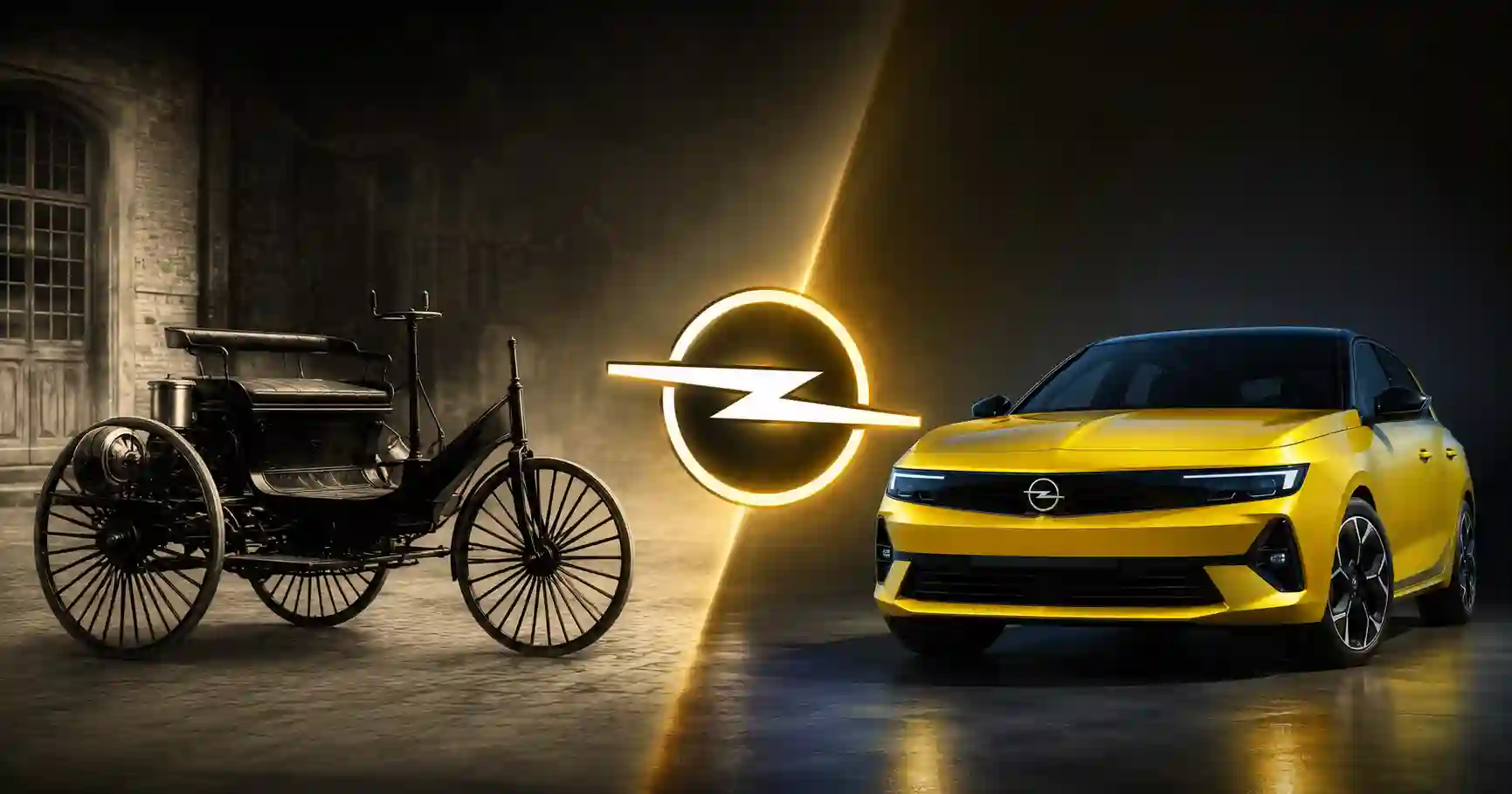
People rarely stop to ask what the name on their car actually stands for. Yet the word “Opel” carries a story far richer than a simple badge. Founded in 1862, the Opel meaning connects a German family’s sewing-machine workshop to one of Europe’s most recognized car brands. This single term holds 160 years of industrial grit, bold design choices, and a lightning bolt that still sparks curiosity today.
Table of Contents
- The True Opel Meaning: A Family Name First
- How Adam Opel Turned Needles into Pedals
- The Lightning Bolt: Decoding the Blitz Logo
- Why the Opel Meaning Matters in German Automotive History
- Opel Meaning vs. Vauxhall: Two Names, One Core
- Pronunciation and Common Misunderstandings
- The Opel Meaning in Military and Bicycle Chapters
- How Opel Entered the Global Automotive Stage
- Model Names That Add to the Opel Meaning
- The Opel Meaning in Motorsport Heritage
- Where Opel Stands in the Electric Era
- Cultural References That Shape the Opel Meaning
- Frequently Asked Questions About Opel Meaning
- Dive Deeper Into Automotive Origins
The True Opel Meaning: A Family Name First
The Opel meaning starts with a surname. Adam Opel, born in 1837, gave the company his name. In German, “Opel” functions strictly as a proper noun without a literal translation into another word. Historical records point to Franconian roots, possibly linked to the occupation of a beadle or church official. When you see the badge, you see a family signature that became a promise of quality. Automotive historian Werner Oswald confirms in Deutsche Autos 1920-1945 that the Opel brothers held tight control over quality, making the family name synonymous with durable engineering.
How Adam Opel Turned Needles into Pedals
Adam Opel did not touch an automobile at first. He traveled to France, studied sewing-machine manufacturing, and returned to Rüsselsheim to build his own factory. By the late 1880s, the Opel meaning shifted toward mobility when his sons introduced high-wheel bicycles. Official Opel archives note that Opel became the world’s largest bicycle producer by the 1920s. This bicycle era forged the brand’s mechanical DNA before a single car left the factory. To read the company’s own timeline, visit the Opel Classic official history page.
The Lightning Bolt: Decoding the Blitz Logo
No symbol captures the Opel meaning better than the Blitz. The lightning bolt arrived in 1963 and never left. Designers stripped away clutter, leaving a sharp zigzag that signals speed and forward energy. Early iterations carried a zeppelin theme, but the bolt became permanent. The German trademark office recognizes the Blitz as one of the most protected automotive symbols in Europe. A quick look at current models shows the same aggressive geometry, proving that a simple idea can carry a brand for decades.
Why the Opel Meaning Matters in German Automotive History
Germany’s industrial reputation rests on names like Opel. The company democratized mobility by applying assembly-line production before many rivals. In 1924, Opel adopted the moving conveyor belt, drastically lowering costs and making the Opel meaning equal to affordable innovation. General Motors recognized this value and acquired the company in 1929. This move injected global capital and preserved thousands of jobs during turbulent economic periods.
Opel Meaning vs. Vauxhall: Two Names, One Core
British buyers see Vauxhall. Continental shoppers see Opel. Both names belong to Stellantis today, and engineering comes from the same development centers. The Opel meaning retains a German engineering identity, while Vauxhall’s griffin badge leans on British heritage. Underneath the metal, an Astra is an Astra. Market surveys show that German consumers associate the Opel name with precision, while UK drivers feel loyalty to the Vauxhall badge. Stellantis corporate disclosures confirm this dual-brand strategy maintains market share without cannibalizing sales.
| Aspect | Opel | Vauxhall |
| Origin | Rüsselsheim, Germany | London, England |
| Logo | Blitz lightning bolt | Griffin with flag |
| Market | Mainland Europe | United Kingdom |
| Perception | German engineering value | British heritage value |
| Parent | Stellantis | Stellantis |
Pronunciation and Common Misunderstandings
English speakers often misread the Opel meaning because of pronunciation. The correct German sound is “OH-pel,” with a long O and a crisp P. Americans sometimes say “OH-pull” or “Ah-pel,” adding syllables that do not exist. Car reviewers on international channels frequently correct this, noting that saying the name properly respects the brand’s origin. A simple audio check removes the mystery.
The Opel Meaning in Military and Bicycle Chapters
Before Opel became a car company, it made bicycles and later built trucks for military use. The Opel meaning during wartime shifted toward national service, and the brand produced bicycles called “Opel Blitz Rad.” Military contracts required extreme reliability, and Opel engineers gained knowledge that later influenced civilian trucks. This chapter often gets overlooked, yet it explains the toughness baked into early Opel vehicles.
How Opel Entered the Global Automotive Stage
Adam Opel’s sons pushed the company into automobiles after their father’s death. The first Opel car arrived in 1899, a licensed build of the Lutzmann system. Within years, Opel developed original models and exported to neighboring countries. The Opel meaning expanded from a domestic manufacturer to an international player, shipping cars as far as South Africa and South America by the 1930s.
Model Names That Add to the Opel Meaning
Certain vehicle names become part of a brand’s linguistic identity. Kadett, Rekord, Manta, and Insignia all deepen the Opel meaning in unique ways.
- Kadett: Suggests military precision and compact efficiency.
- Rekord: Points to breaking benchmarks.
- Manta: Evokes the sleek marine ray, matching the coupe’s flowing lines.
- Insignia: Speaks directly to status and achievement.
Each name was chosen deliberately to reinforce the brand’s position in the buyer’s mind.
The Opel Meaning in Motorsport Heritage
Racing gave the Opel meaning a performance edge. The Opel Ascona 400 dominated rally stages, and the Calibra touring cars set speed records on track. Motorsport victories proved that affordable cars could deliver serious performance. Opel’s rally division in the 1980s became a proving ground for chassis tuning that trickled into road cars like the GSi models.
Where Opel Stands in the Electric Era
The Opel meaning is currently undergoing its most radical transformation. New models like the Opel Corsa-e and Mokka-e place the lightning logo on emission-free vehicles. Stellantis confirmed that Opel will go fully electric in Europe by 2028. This pivot repositions the brand from budget-conscious champion to tech-forward mobility provider. Reuters reported in 2023 that Opel’s EV investment stands as one of the largest industrial commitments in the Rüsselsheim plant’s history.
Cultural References That Shape the Opel Meaning
German pop culture references Opel frequently. The Manta jokes of the 1990s turned the Opel meaning into a tongue-in-cheek identity marker for a certain generation. Songs, films, and comedy routines used the Opel Manta as shorthand for a particular working-class hero. This cultural saturation demonstrates how a brand name transcends commerce and enters shared memory.
Frequently Asked Questions About Opel Meaning
What is the exact Opel meaning in English?
The Opel meaning in English is simply the family name of company founder Adam Opel. It has no dictionary definition as a translated word. In automotive context, it signifies German engineering and the brand identity established by the Opel family since 1862.
Where does the name Opel originate from?
The name Opel originates from the surname of Adam Opel, who started a sewing-machine factory in Rüsselsheim, Germany. His five sons later expanded the business into bicycles and then automobiles, permanently linking the Opel meaning to mobility.
Does the Opel lightning logo have a specific meaning?
Yes, the lightning bolt logo directly reinforces the Opel meaning of speed, electrification, and dynamic progress. Called the “Blitz,” this symbol has represented the brand since 1963 and communicates forward energy without using words.
Is there any difference between Opel and Vauxhall meaning?
The Opel meaning stays rooted in German industrial identity, while Vauxhall carries British heritage. Mechanically identical cars wear different badges to suit regional market preferences. The core Opel meaning of approachable engineering remains the same across both labels.
How do you pronounce Opel correctly?
Proper pronunciation keeps the Opel meaning authentic. Say “OH-pel” with a long O and short E sound. Avoid “OH-pull” or “Ah-pel,” which add incorrect extra vowels that dilute the original German pronunciation.
Why does the Opel meaning still resonate today?
The Opel meaning resonates because it blends a genuine family story with 160 years of continuous innovation. From sewing machines to electric SUVs, the brand name carries a narrative of adaptation, reliability, and democratized technology that still connects with modern drivers.
Dive Deeper Into Automotive Origins
The Opel meaning wraps a family name, a lightning bolt, and a relentless drive to move people forward. Every time you spot that jagged Blitz emblem, you witness a story that began with a single craftsman and now powers millions of vehicles worldwide. Understanding the Opel meaning transforms a casual sighting into a moment of recognition for engineering heritage.
Check official model histories directly at the Opel press site or read industrial accounts from the Rüsselsheim city archives. Share this guide with anyone curious about the badges they pass on the road, and let the story of Adam Opel inspire a deeper appreciation for automotive identity.