Hair of the Dog Meaning: The Ancient Myth That Worsens Your Hangover
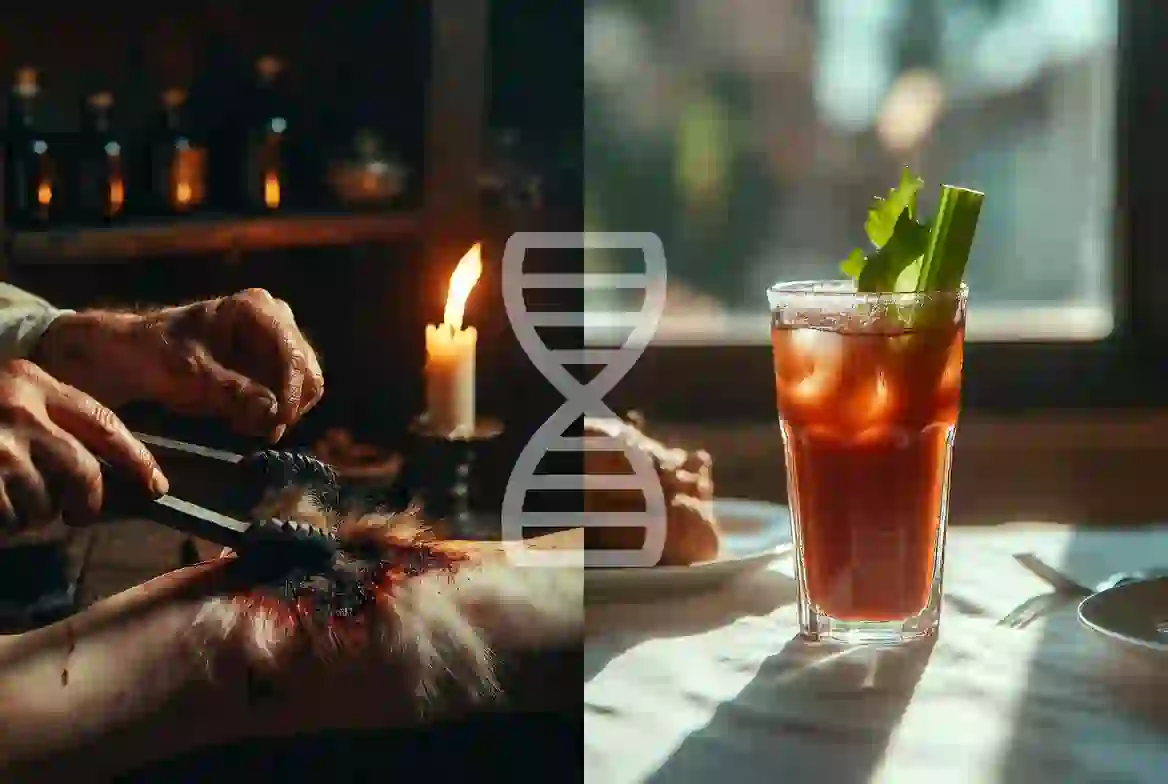
You wake up with a pounding skull, a dry mouth, and a deep regret for last night’s tequila shots. A well-meaning friend slides a cold beer across the table and calls it a cure. You hear the phrase and wonder about the true “hair of the dog meaning.” Before you take that sip, understand this: you are about to swallow a centuries-old myth rooted in burnt fur and desperate logic that modern science firmly warns against.
Quick Reference: “Hair of the Dog Meaning” Overview
| Aspect | Detail |
| Literal Meaning | Placing hair from the dog that bit you onto the wound. |
| Modern Slang Meaning | Drinking alcohol to cure a hangover. |
| Biological Reality | A temporary numbing of the nervous system that delays pain, not a cure. |
| Medical Verdict | Prolongs withdrawal and worsens dehydration (National Institute on Alcohol Abuse and Alcoholism). |
| Origin Date | Medieval Era (pre-1546). |
The Rabies Ritual That Started It All
The “hair of the dog meaning” originates from a grim, literal medical practice, not a fun brunch cocktail. In medieval times, a bite from a rabid dog meant a near-certain, agonizing death. Desperate medicine turned to sympathetic magic: the belief that “like cures like.” Healers would pluck burnt hair from the offending dog and press it into the bleeding wound. The logic held that the essence of the illness, trapped in the fur, would draw the poison out. This dangerous folklore survives solely in our modern drinking vocabulary.
The Transition from Bandages to Bloody Marys
Language evolved radically from treating external bites to treating internal regret. By the 16th century, writer John Heywood cemented the phrase in English slang. His proverb collection states, “What how fellow, thou knave, I pray thee let me and my fellow have a hair of the dog that bit us last night.” The expression shifted from a medical treatment for animal attacks to a jokey social excuse for morning drinking. It reclassified the hangover as a painful “bite” inflicted by the bottle. You aren’t healing a wound; you are silencing your central nervous system.
The Neurochemistry of a Fake Cure
Understanding the true “hair of the dog meaning” requires looking past the myth to the neurotransmitters. A hangover represents an acute withdrawal from alcohol’s depressive effects on your brain. While the soothing GABA system is repressed, our glutamate system, which stimulates the brain, goes into overdrive. The result is tremors, anxiety, and sensory sensitivity. Introducing ethanol again briefly boosts GABA, quieting those screaming receptors. This single moment of relief tricks you into thinking you’ve found a remedy. You haven’t; you’ve simply pressed the pause button on the inevitable crash.
Methanol: The Poison You’re Prolonging
Your liver processes ethanol cleanly, but it breaks down methanol found in dark liquors into formic acid and formaldehyde—potent toxins. The body prioritizes ethanol breakdown over methanol, so methanol waits in the queue. When your blood alcohol hits zero, the liver finally starts breaking down methanol, causing the peak of hangover misery. Drinking “hair of the dog” restores the ethanol, shunting methanol back to the waiting room. You merely delay the conversion of these toxins until later in the day, making the final crash more concentrated and painful. This is a biological game of hot potato you always lose.
Acetaldehyde Buildup: Worse Than the Alcohol Itself
Your body turns ethanol into acetaldehyde, a carcinogen up to 30 times more toxic than alcohol itself. This compound triggers systemic inflammation, sweating, nausea, and rapid heartbeat. Normally, an enzyme called aldehyde dehydrogenase (ALDH2) breaks it down rapidly into harmless acetic acid. Drinking more alcohol floods the system with fresh ethanol, diverting ALDH2 away from the existing toxin pile-up. The “hair of the dog meaning” on a cellular level is essentially a toxic backlog that damages tissues and strains your liver. You are force-feeding your body a poison it just failed to clear.
Proof It Backfires: Medical Consensus on Symptom Timing
Clinical research proves this strategy only extends the suffering. A paper in the Journal of Clinical Medicine detailed that drinking to blunt withdrawal simply transitions a hangover into a mild withdrawal syndrome. You don’t skip the physical punishment; you just delay it by four to eight hours. Participants who used this method reported worse fatigue, dehydration, and cognitive fog the following day. Medical data from the National Institute on Alcohol Abuse and Alcoholism (NIAAA) confirms this behavior is a strong predictor of future alcohol dependency. You aren’t fixing the problem; you’re training your brain to fear sobriety.
The Ancient Rabies Remedy vs. Your Brunch Cocktail
We laugh at the idea of putting burnt fur into a dog bite, yet the modern adaptation lacks scientific merit too. A 2021 review in Alcohol and Alcoholism harshly criticized the concept, stating no scientific evidence supports symptomatic relief through additional ethanol intake. The ancient application harmed the body through unsanitary wound care; the modern application harms it through neuroadaptation. Both versions trade immediate, short-term relief for long-term damage. Recognizing this cycle is the first step to breaking it. The reality is that you are anesthetizing a wound, not healing it.
4 Safe Paths to Real Recovery (No Dog Hair Required)
Stop chasing the myth. Replenish what your body lost and rest. These proven methods actually restore your system.
- Electrolyte Correction: Ditch plain water for a balanced electrolyte solution. Sodium, potassium, and glucose utilize the sodium-glucose cotransport system to absorb water directly into your bloodstream rather than flushing straight through you.
- Targeted Carbohydrates: Eat two pieces of plain toast or crackers. Alcohol induces hypoglycemia by blocking liver glucose production. A sharp drop in blood sugar worsens weakness, brain fog, and the shakes. Your brain needs this fuel desperately.
- Sleep Architecture Reset: Alcohol destroys REM sleep. Even if you were unconscious for 8 hours, your brain hasn’t cleaned toxic beta-amyloid proteins. A 90-minute nap allows you to complete a full sleep cycle, triggering a glymphatic system brain wash.
- Anti-Inflammatory Intervention: Alcohol metabolizes into pro-inflammatory cytokines. A 400mg dose of ibuprofen with food reduces the p38 MAP kinase pathway causing the headache. Avoid acetaminophen; it stresses an already exhausted liver struggling with glutathione depletion.
Recognizing the Danger Line: When It’s Not a Joke
Repeatedly searching for the “hair of the dog meaning” can mask a dangerous slide into dependency. Functional tolerance increases lead to heavier morning drinking rituals. The NIAAA defines low-risk drinking, and systematic morning drinking signals a loss of control. If you experience tremors that only stop with alcohol, visual disturbances, or a panic-like racing heart, these are signs of withdrawal, not a hangover. Medical detoxification becomes necessary to prevent seizures or delirium tremens. Labeling this as a hangover cure is a dangerous misdiagnosis of a brain struggling to recalibrate.
The Power of Water: True Repair Mechanisms
The “cure” myth distracts from the single most effective biological reset: water. Ethanol suppresses vasopressin, an antidiuretic hormone, signaling your kidneys to purge water every 20 minutes. This causes brain tissue dehydration and meningeal stretching—the vice-like headache. A few morning beers provide a dopamine flicker but zero structural repair. Water restores cerebrospinal fluid, allowing the brain to float properly again. The true meaning behind your suffering is osmotic stress, not a need for more toxins. Your cells crave rehydration, not further enzymatic poisoning.
Why Myths Survive: Social Psychology, Not Science
Despite universal medical opposition, this phrase thrives. Dr. George Koob, Director of the NIAAA, explains that alcohol’s impact on memory consolidation blunts negative recall. The temporary relief masks the prolonged pain, creating a false positive association in your hippocampus. Social media glorifies brunch cocktails, normalizing a practice the medical community labels as pre-addiction. Companies market ready-to-drink morning beverages by exploiting this neurochemical loophole. You are participating in a cultural placebo effect, not a clinical detox. The “hair of the dog meaning” persists because your memory of misery fades faster than the physical damage.
References for Further Validation
- National Institute on Alcohol Abuse and Alcoholism (NIAAA). Hangovers. National Institutes of Health.
- Swift, R., & Davidson, D. (1998). Alcohol Hangover: Mechanisms and Mediators. Alcohol Health & Research World.
- Verster, J. C., et al. (2021). Ten years of progress from the Alcohol Hangover Research Group. Journal of Clinical Medicine.
Frequently Asked Questions About “Hair of the Dog Meaning”
1. What is the literal “hair of the dog meaning”?
The literal “hair of the dog meaning” comes from the medieval belief of placing burnt hair from a rabid dog into the bite wound. It operated on the principle of curing a poison with the thing that caused it.
2. Why does hair of the dog temporarily stop hangover shaking?
Ethanol activates GABA receptors in the brain, briefly quieting the hyper-excited nervous system. This masks the tremor, but the shaking returns worse once the second dose of alcohol wears off.
3. Does the “hair of the dog meaning” apply only to identical drinks?
No, the term applies to any amount of alcohol consumed to dull hangover symptoms. It refers to the general concept, not the specific type of drink that caused the original intoxication.
4. Can using this method lead to chronic alcoholism?
Yes, using morning drinking as medicine is a key behavioral marker for Alcohol Use Disorder (AUD). It normalizes a cycle of withdrawal and relief that reshapes brain reward pathways into dependency.
5. Why is vodka better than whiskey for a morning-after drink?
It’s not better, only less directly toxic. Vodka contains fewer congeners like methanol, which break down into formaldehyde. Clear liquor delays the poison buildup but never stops the dehydration or gastric distress.
6. What is the fastest alternative to curing a hangover instead of this method?
The fastest biological repair is oral rehydration salts and a B-complex vitamin. This directly targets the electrolyte depletion and energy metabolism breakdown caused by ethanol, not just the neurological symptoms.
Your Morning Choice
Now you understand the “hair of the dog meaning” is a biological delay tactic, not a remedy. The dog that bit you was the ethanol itself, and placing a metaphorical hair on your tongue only silences the pain for a few fleeting moments. Your body possesses true healing mechanisms that activate only in the absence of more poison. Tomorrow morning, when your head pounds, you face a choice: extend the misery with folklore, or defeat it with hydration, a real meal, and rest. Break the cycle, refill your water bottle, and let your neural circuits actually heal.